Waterproofing is the process of making an object, surface, or structure water-resistant or impermeable so that water cannot pass through it.
Key Concepts
Definition: It creates a protective barrier against liquid water, moisture, or hydrostatic pressure (water pushing against a structure).
Waterproof vs. Damp-proof:
Waterproofing completely blocks liquid water under pressure or heavy contact (such as in basements, roofs, and foundations).
Damp-proofing only resists general humidity, vapor, or moisture in the absence of standing water pressure.
Water-resistant/Repellent: A lesser degree of protection where water beads up or runs off temporarily, rather than providing a total seal (common in outdoor gear or treated wood).
Common Applications
Building & Construction: Protecting foundations, basements, flat roofs, balconies, and bathrooms from leaks, mold, and structural decay.
Common methods include liquid-applied membranes, cementitious coatings, and bituminous sheet membranes according to the Civil Engineering Portal.
Clothing & Textiles: Treating raincoats, waders, and outdoor canvas with specialized water-repellent layers.
Electronics & Packaging: Sealing devices with gaskets, o-rings, or specific ingress protection (IP) ratings to stop liquid damage
- info@mbegapool.co.tz
- +255 715 149 884
- P.O. Box 68129, Dar Es Salaam, Tanzania
WATER PROOF
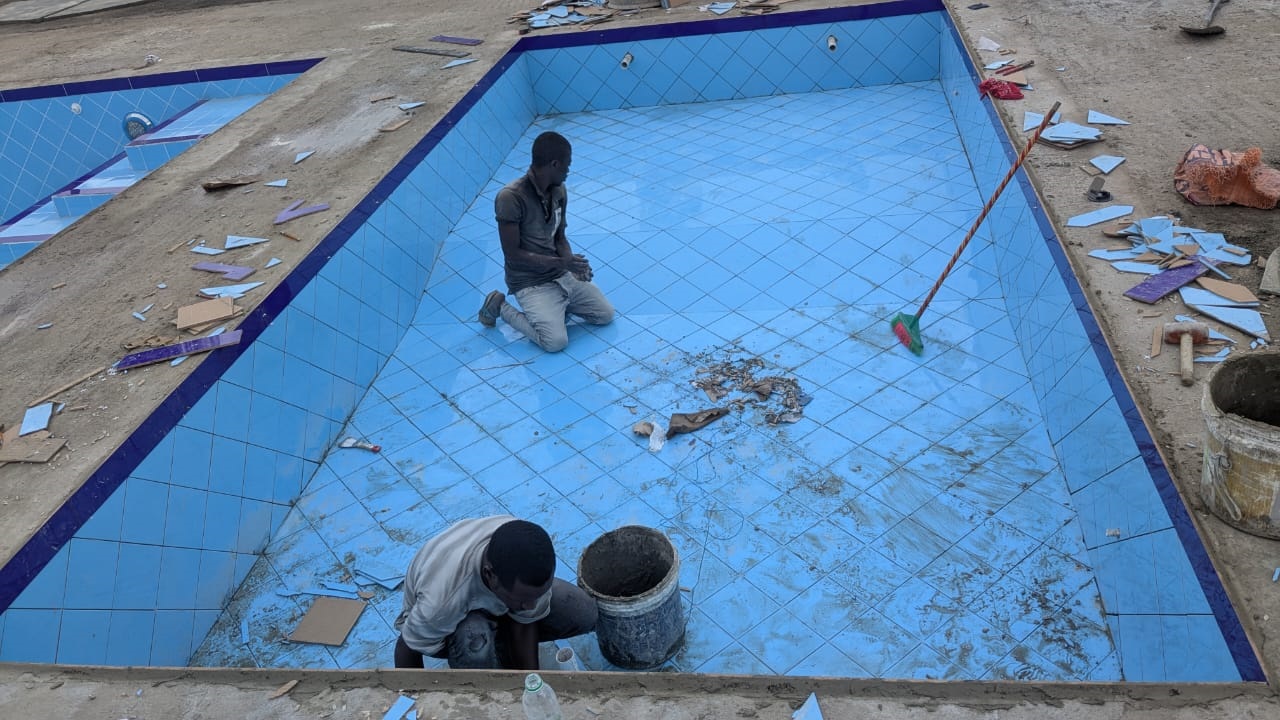
Sed ut perspiciatis unde omnis iste natus error sit voluptatem accusantium doloremque laudan tium, totam rem aperiam, eaque ipsa quae ab illo inventore veritatis et quasi architecto beatae vitae dicta sunt explicabo.
Nemo enim ipsam voluptatem quia voluptas sit aspernatur aut odit aut fugit, sed quia consequun tur magni dolores eos qui ratione voluptatem sequi nesciunt.

